
Can Breathwork Really Help You Stress Less? Find Out Here
If you’ve noticed your shoulders creeping toward your ears in traffic, or caught yourself holding your breath while reading a stressful email, you already know: your breath and your stress are connected.
The good news? You don’t need a perfect meditation practice or a quiet hour to explore that connection. A few minutes of gentle, intentional breathing can offer a pause: a chance to soften, settle, and return to what’s happening right now.
At La Vida Kauai, we see breath as part of the whole-self experience. It can bring more awareness to movement, help create a moment of calm, and remind us that caring for ourselves doesn’t have to be complicated.
Your breath offers a moment to reset.
Our nervous system responds to what’s happening around and within us. When life feels demanding, the body can move into a more alert state: your muscles may tense, your thoughts may race, and your breathing may become quick or shallow. Relaxation is not always something we can summon with willpower alone.
Breathing is one accessible way to invite a shift. Slowing your breath, while keeping it comfortable, may support a calmer state and help you pay attention to the present moment. It’s not a magic switch, and it won’t make every stressor disappear. But it can create a little room between a stressful moment and your next step.
Research gives us reason to be curious, without promising too much. A meta-analysis of randomized trials found that breathwork was associated with a modest reduction in self-reported stress. Researchers also note that more studies are needed, and results can vary depending on the practice. The evidence is strongest for gentle, slow-paced breathing, not for pushing your limits.
A small practice. A softer exhale. A little more space to choose how you want to meet the day.
Try a few gentle breaths.
You can explore these simple options at home, at your desk, or before class. Keep the breath easy. There’s no prize for breathing bigger, holding longer, or doing it perfectly.
1. Let the exhale lengthen.
Breathe in gently through your nose for a count that feels natural. Then breathe out a little more slowly. If it feels comfortable, try inhaling for four counts and exhaling for six. Continue for one or two minutes, returning to an uncounted breath whenever you like.
2. Notice your natural breath.
Place one hand on your chest and one on your belly. Breathe normally, without forcing it. Notice which hand moves more, and whether your breath feels easy or restricted. You don’t need to change anything. Sometimes noticing is the practice.
3. Find a steady rhythm.
Try a gentle inhale and exhale of about four counts each, adjusting to a pace that feels relaxed. Follow the rhythm for a few rounds. If counting makes you feel tense, let it go and simply notice the breath moving in and out.
These are invitations, not assignments. If you feel dizzy, uncomfortable, or anxious, stop counting and return to your natural breathing. You can open your eyes, change position, or take a break. If you have a health concern that could be affected by breathing exercises, check with a qualified healthcare professional before trying a new practice.
Keep it gentle. Let it meet you where you are.
Breathwork doesn’t need to mean fast breathing or long holds. More intensity isn’t necessarily more effective. Some breathing challenges that encourage rapid, deep breaths or prolonged breath-holding can cause dizziness or fainting. They’re not appropriate to try while driving, in water, standing, or anywhere faintness could lead to injury.
For everyday stress relief, start with the simplest thing: breathe comfortably, slow down if that feels good, and stop if it doesn’t. Let the practice respond to you, not the other way around.
Even one minute can be a meaningful pause. Before school pickup. Between meetings. After a challenging workout. Before you step onto your mat.
Movement and breath belong together.
Breath can help make movement feel less like a task and more like a conversation with your body. In yoga, it can offer a steady point of attention as you flow from one shape to another. In Pilates, noticing your breath can help you move with care and intention. And after an energizing Bounce or strength class, a few quiet breaths can help you slow down and check in.
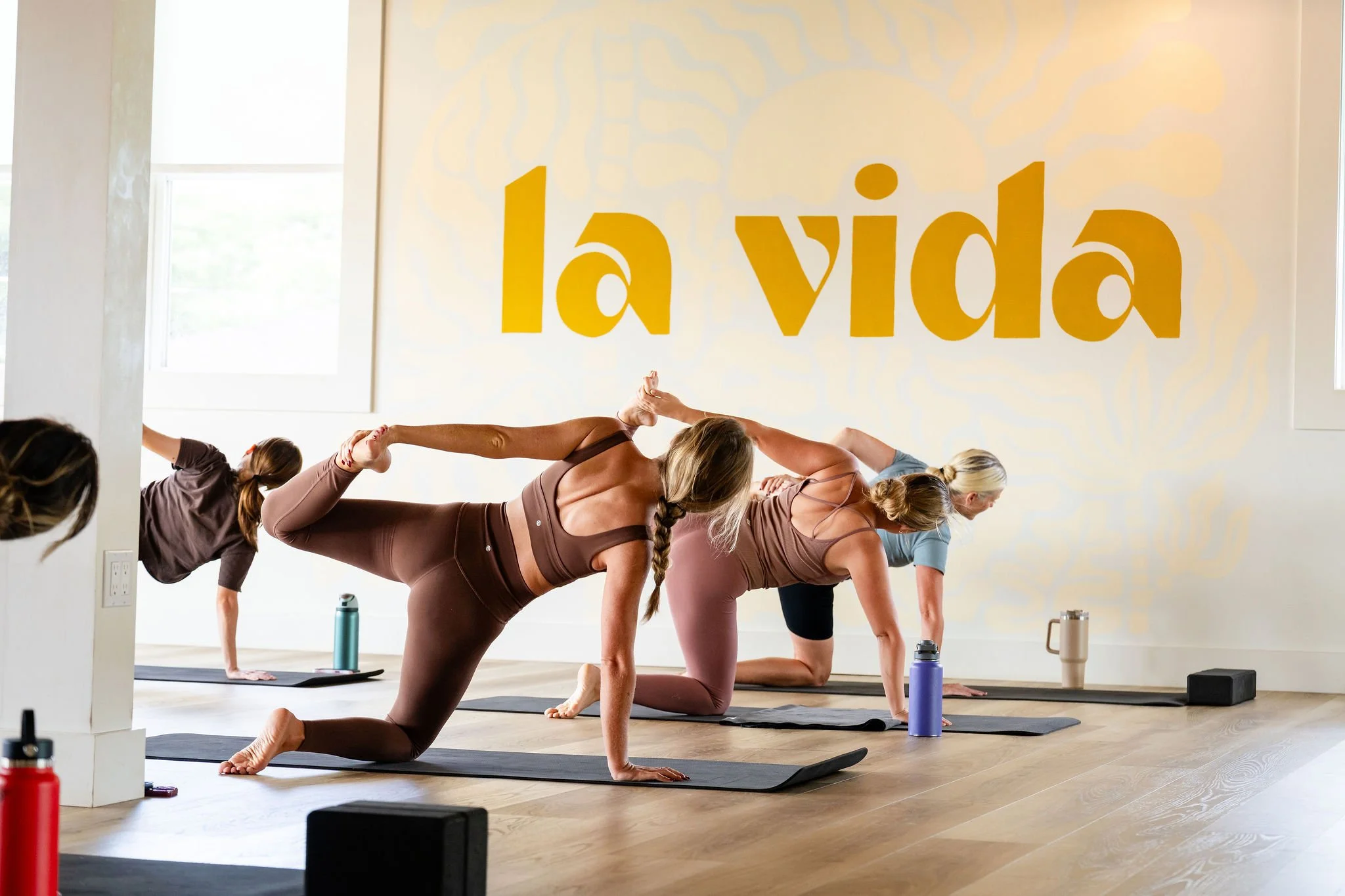
We love the balance: strength and softness, effort and ease, high-energy movement and quiet restoration. Our yoga on Kauai’s South Shore offers a welcoming space to explore breath alongside movement, whether you’re new to yoga or returning to a familiar practice.
And you don’t have to choose just one way to care for yourself. A day might include a lively class, a slower stretch, or a few moments of stillness. Each can help you reconnect with what your body needs.
Find space to breathe in community.
At our bright South Side studio, wellness is more than a workout. It’s a chance to move, connect, and feel supported, without needing to arrive with a certain level of fitness or experience.
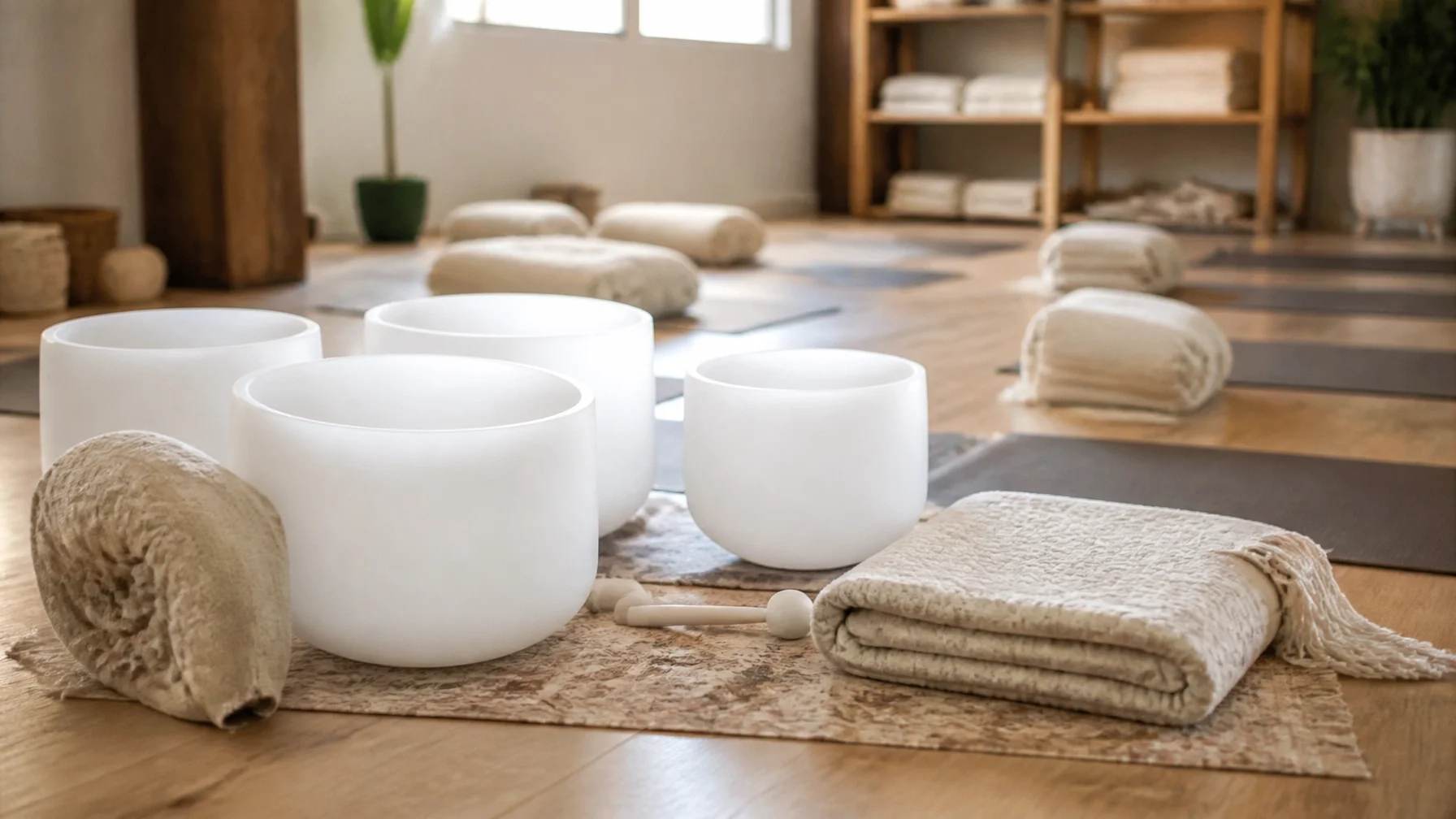
Our wellness workshops include experiences like breathwork and sound baths. These guided gatherings give you space to pause, listen, and explore restoration alongside others. If you’re curious about pairing movement with deeper rest, you can also read about sound baths and recovery in Poipu.
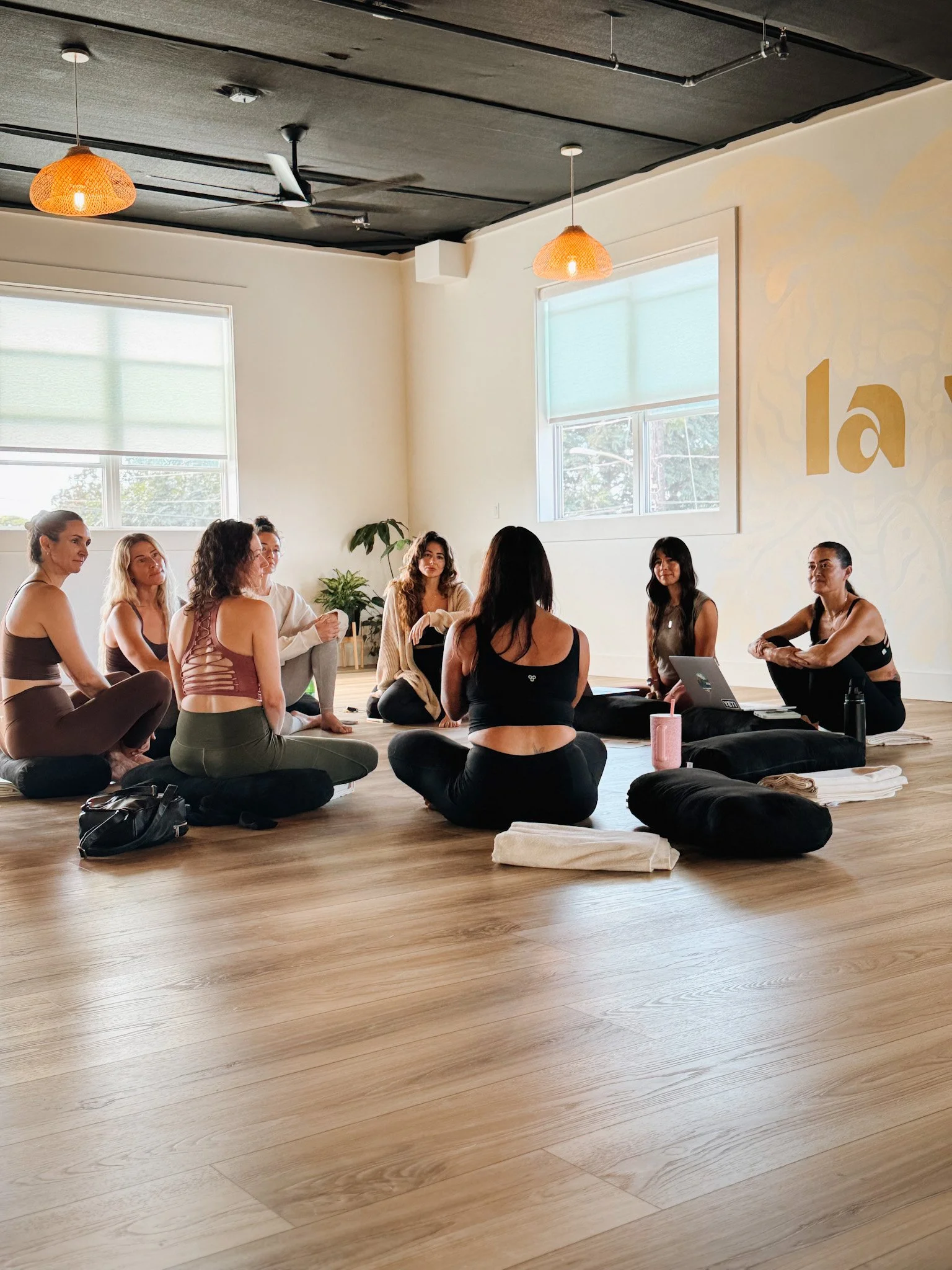
For locals, a class can become a nourishing pause in a full day. For visitors, it can be a way to stay connected to your routine while experiencing a different pace. Either way, come as you are. You don’t need to be fit to show up. You just need to be open to beginning where you are.
Start with one breath.
Can breathwork help you stress less? For many people, gentle, slow breathing can be a useful way to create a pause and support relaxation. It isn’t a cure-all, and it won’t replace professional care when you need it. But it is always with you. A simple practice you can return to, one comfortable breath at a time.
Soften your shoulders. Let your breath move naturally. Notice the ground beneath you.
That’s enough to begin.
Explore our class schedule and discover a welcoming place to flow, build, and breathe with us.